Embracing Volunteer Feedback with Volunteer Management Software: Building Engagement Through Continuous Improvement
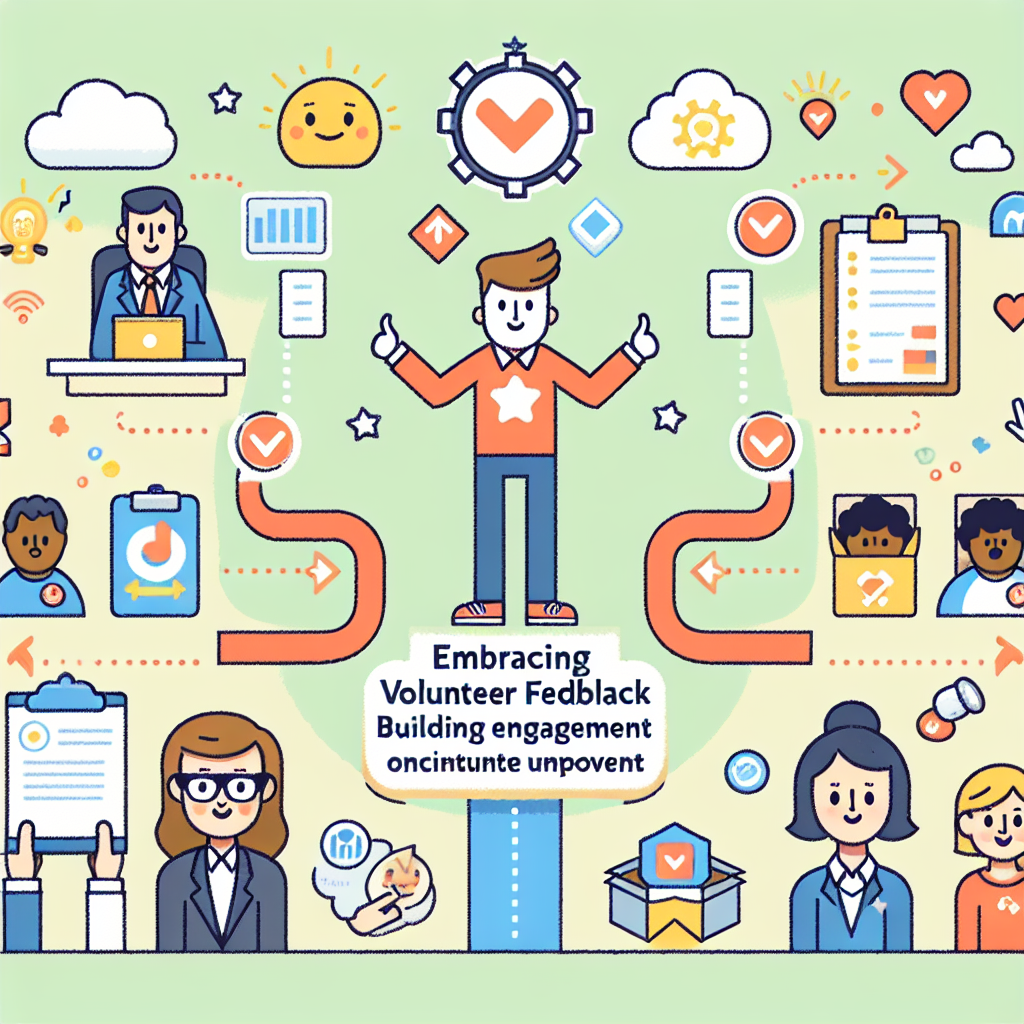
Building a thriving volunteer program isn't just about recruitment—it's about creating an environment where volunteers feel valued, heard, and empowered to make a difference. One of the most powerful tools at a nonprofit's disposal is something surprisingly simple: volunteer feedback. Organizations that implement robust feedback systems using modern volunteer management software are seeing remarkable improvements in engagement and retention rates. Let's explore how creating feedback loops can transform your volunteer program and build a culture of continuous improvement.
Why Volunteer Feedback Matters for Your Volunteer Management System
When volunteers feel their opinions matter, their commitment deepens. According to a Corporation for National and Community Service study, organizations that regularly use volunteer surveys through their volunteer management platform show significantly higher retention rates. In fact, 72% of nonprofits view feedback surveys as valuable tools for engagement and program effectiveness.
But the benefits extend beyond just keeping volunteers around longer. The Do Good Institute at the University of Maryland discovered in their 2023 report "The State of Volunteer Engagement" that while 72.2% of nonprofit leaders acknowledge volunteers greatly improve service quality, many still struggle with post-pandemic recruitment challenges. The solution? Strategic engagement through feedback systems that help organizations understand what's working and what isn't.
Establishing Effective Feedback Loops with Volunteer Management Software
Modern volunteer management solutions make collecting and analyzing feedback simpler than ever before. Here are practical approaches to gathering meaningful insights:
Post-event digital surveys: Use your volunteer management app to automatically send brief surveys after each volunteer opportunity. Keep questions concise, with a mix of rating scales and open-ended questions to capture both quantitative and qualitative feedback.
Regular check-ins: Schedule periodic one-on-one conversations with volunteers. These informal discussions often yield insights that might not surface in formal surveys. Your volunteer coordination software can help schedule and remind you of these important touchpoints.
Focus groups: Bring together small volunteer groups quarterly to discuss their experiences, challenges, and ideas for improvement. This collaborative approach builds community while generating valuable feedback.
Creating a Culture Where Feedback Thrives
Simply collecting feedback isn't enough—you need to foster an environment where volunteers feel comfortable sharing their honest thoughts. A study published in the Nonprofit Management & Leadership Journal found that positive practices like clear expectations, regular communication, and recognition strongly associate with increased engagement.
One particularly interesting finding comes from an NIH study that revealed "felt respect" for volunteer work positively correlates with higher retention rates, daily positive affect, and long-term well-being. When volunteers feel respected and heard, they're much more likely to stay committed to your cause.
To create this environment:
Demonstrate transparency: Share both successes and challenges with your volunteer team. Be open about how feedback has shaped program decisions.
Close the feedback loop: Always follow up on feedback received. Whether you implement a suggestion or not, acknowledging the input shows respect for volunteers' perspectives.
Celebrate innovation: When a volunteer's feedback leads to positive change, publicly recognize their contribution. This encourages others to share their ideas too.
From Insights to Action: Transforming Feedback into Improvements
The most critical part of any feedback system is what happens after you collect the information. A Richmond University Capstone study on healthcare nonprofit volunteer impact reporting revealed a common challenge: organizations often focus too heavily on quantitative metrics (hours served, number of volunteers) without capturing qualitative "why" stories, leading to incomplete retention strategies.
To avoid this pitfall, implement these strategies:
Analyze holistically: Look for patterns across different feedback sources. Is there a consistent theme emerging from surveys, conversations, and exit interviews?
Prioritize actionable feedback: Not all suggestions can be implemented immediately. Focus first on changes that align with your mission and have the potential for significant impact.
Use your volunteer organizer app to track improvements: Document feedback-driven changes in your Vome Volunteer management system, and monitor their effects over time. This creates an invaluable history of organizational learning.
Real-World Success: Feedback in Action
Organizations implementing robust feedback systems are seeing tangible results. For example, a food bank that implemented quarterly volunteer experience sessions discovered volunteers wanted more information about how their efforts impacted the community. By adding impact statistics and recipient stories to their volunteer management platform's dashboard, they saw a 34% increase in repeat volunteers within just six months.
Similarly, an environmental nonprofit used feedback to redesign their onboarding process after learning new volunteers felt overwhelmed by the amount of information provided all at once. By creating a phased approach with clear milestones in their volunteer management system, they reduced first-month dropout rates by 28%.
Building Your Feedback Framework
Ready to enhance your volunteer program through feedback? Start with these steps:
1. Audit your current feedback mechanisms: Are they accessible, regular, and yielding actionable insights?
2. Integrate feedback collection into your volunteer management software workflow at multiple touchpoints.
3. Create a dedicated team or committee responsible for reviewing feedback and recommending improvements.
4. Develop a communication strategy to share how volunteer input is shaping your organization.
Remember that building a feedback culture is an ongoing process. The organizations that succeed are those that view volunteers not just as helpers, but as valuable partners in fulfilling their mission.
Embracing volunteer feedback through comprehensive volunteer management software doesn't just improve operations—it fundamentally transforms how volunteers experience your organization. By implementing thoughtful feedback systems, you create a virtuous cycle where volunteers feel increasingly valued, engaged, and committed to your cause. This partnership approach ultimately leads to greater impact and a more resilient volunteer program that can weather challenges and grow stronger over time.