The Power of Volunteer Networking: How Volunteer Management Software Strengthens Community Connections
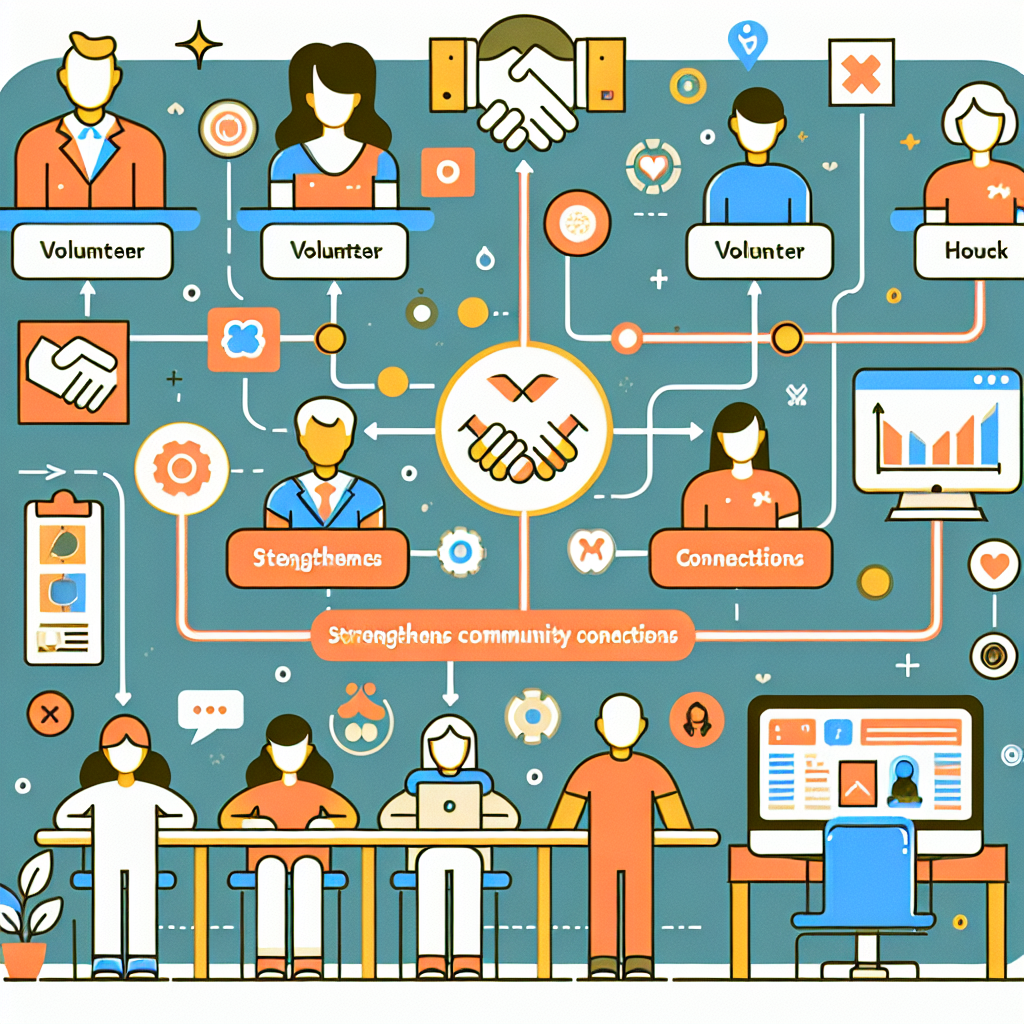
In the world of volunteerism, the connections we forge often prove just as valuable as the service we provide. When volunteers build meaningful relationships with each other, something magical happens – engagement soars, retention improves, and the impact of your organization multiplies. Recent research confirms what many volunteer coordinators have long suspected: creating a networking culture among your volunteers isn't just nice to have – it's essential for lasting success.
Why Volunteer Networking Matters
The numbers tell a compelling story. According to recent studies, volunteers who feel connected to a community are significantly more likely to stay engaged long-term. The Do Good Institute's 2023 report revealed that prior-year volunteers were 14.5% more likely to give financially in the current year, while those who donated were 9.3% more likely to volunteer next. This virtuous cycle creates what researchers call "symbiotic retention cycles" – all powered by networks.
But the benefits extend far beyond organizational metrics. For volunteers themselves, networking creates profound personal value. A longitudinal health study found that moderate volunteering (101-300 hours yearly) significantly reduced depressive symptoms and improved self-rated health – with these benefits amplified when volunteers expanded their social networks beyond family ties.
Creating Opportunities for Connection with Volunteer Management Software
So how can organizations intentionally foster these valuable connections? The right volunteer management software plays a crucial role. Here are practical strategies that leverage technology to build stronger volunteer communities:
1. Virtual Meetups and Forums
Modern volunteer management platforms offer built-in communication tools that allow volunteers to connect regardless of location. Creating designated virtual spaces for specific interests or projects helps volunteers find like-minded peers. One nonprofit using this approach saw a 35% increase in volunteer retention after implementing regular virtual coffee chats through their management system.
2. Skills-Based Matchmaking
Your volunteer management system likely contains valuable data about each volunteer's skills and interests. Use this information strategically! Create opportunities for volunteers with complementary abilities to collaborate on projects. The Corporation for National and Community Service found that unemployed individuals who volunteer increase their employment odds by 27% – largely through the expanded networks and skills they develop.
3. Recognition and Celebration Events
Schedule regular recognition events through your volunteer management platform's calendar feature. These gatherings (virtual or in-person) celebrate achievements while creating natural networking opportunities. Research shows that volunteers who form meaningful connections during such events are more likely to recruit friends and family – expanding your volunteer base organically.
Real-World Success Stories: Networking in Action
Organizations across sectors have witnessed the power of volunteer networking firsthand:
Community Food Bank Network
A regional food bank implemented group volunteer scheduling through their volunteer management app, intentionally mixing new and experienced volunteers. The result? New volunteers reported feeling welcomed and supported, while experienced volunteers enjoyed mentoring opportunities. Retention rates increased by 42% within six months.
Environmental Conservation Alliance
This organization used their volunteer organization software to create specialized teams based on interests and expertise. By facilitating regular team meetings beyond scheduled volunteer activities, they transformed casual volunteers into dedicated environmental advocates who recruited friends and family. Their volunteer base grew 28% in just one year through these network effects.
Healthcare Support Network
Volunteers supporting patients in hospitals often experienced emotional challenges. By implementing a buddy system through their volunteer management platform, the organization ensured every volunteer had a peer for support and reflection. This approach reduced volunteer burnout by 31% and increased reported satisfaction scores.
Leveraging Volunteer Management Systems for Network Building
The most effective volunteer networking strategies combine thoughtful program design with the right technological tools. Look for these features in your volunteer management software to support connection-building:
Communication Channels
Choose a volunteer management platform with built-in messaging, forums, or chat functionality. These tools allow volunteers to connect organically around shared interests or projects without requiring separate platforms or apps.
Event Management
Your volunteer coordination software should make it simple to organize both service opportunities and social events. The ability to schedule, promote, and manage RSVPs for networking gatherings streamlines the administrative work while maximizing participation.
Profile Features
Look for systems that allow volunteers to create robust profiles highlighting their skills, interests, and availability. These profiles become the foundation for meaningful connections between volunteers with complementary attributes.
Team Structures
Advanced volunteer management solutions offer the ability to create teams or groups within your volunteer base. This organizational structure naturally facilitates connections among volunteers working toward similar goals.
Starting Your Volunteer Networking Initiative
Ready to strengthen connections among your volunteers? Here are practical first steps:
1. Assess Current Connections
Survey your volunteers to understand existing relationship patterns and opportunities for improvement. Ask specifically about their interest in networking opportunities and what formats would appeal to them most.
2. Identify Network Champions
Some volunteers naturally excel at making connections. Identify these individuals and enlist them as networking ambassadors who can welcome newcomers and facilitate introductions.
3. Create Structured Opportunities
Use your volunteer management app to schedule regular events specifically designed for relationship-building. These might include orientation mixers, skill-sharing workshops, or casual social gatherings.
4. Measure Network Growth
Track metrics beyond hours served. Consider measuring volunteer-to-volunteer referrals, social connections formed, and retention rates as indicators of network health.
Overcoming Common Networking Challenges
Building volunteer networks isn't without obstacles. Research indicates that not all volunteers form close ties – in one study, only 44.6% developed significant connections. Common challenges include:
Time Constraints
Many volunteers have limited availability beyond their service hours. Solution: Integrate networking opportunities within existing volunteer activities rather than requiring additional time commitments.
Diverse Personalities
Your volunteer base likely includes both extroverts and introverts. Solution: Offer varied connection formats that appeal to different communication preferences, from small-group discussions to project-based collaboration.
Remote Volunteers
Increasingly, organizations engage volunteers who serve remotely. Solution: Leverage your volunteer management system's virtual tools to create meaningful online connection points.
The Future of Volunteer Networks
As volunteer management technology continues to evolve, we'll see increasingly sophisticated approaches to community-building. Emerging trends include AI-powered volunteer matching, gamification elements that reward collaboration, and integrated social features within volunteer management platforms.
The most forward-thinking organizations are already recognizing that volunteer networks represent their most valuable asset – not just for service delivery, but for organizational sustainability and growth.
By intentionally fostering connections among volunteers and leveraging the right volunteer management software to support these efforts, organizations can create resilient communities that amplify impact while enriching the volunteer experience. The research is clear: when volunteers connect, everyone benefits – organizations, communities, and the volunteers themselves.
Remember that building networks takes time and intention. Start small, celebrate connections, and watch as your volunteer community grows in both strength and impact. The relationships formed today become the foundation for tomorrow's success.