Empowering Nonprofits: How Volunteer Management Systems Boost Program Effectiveness
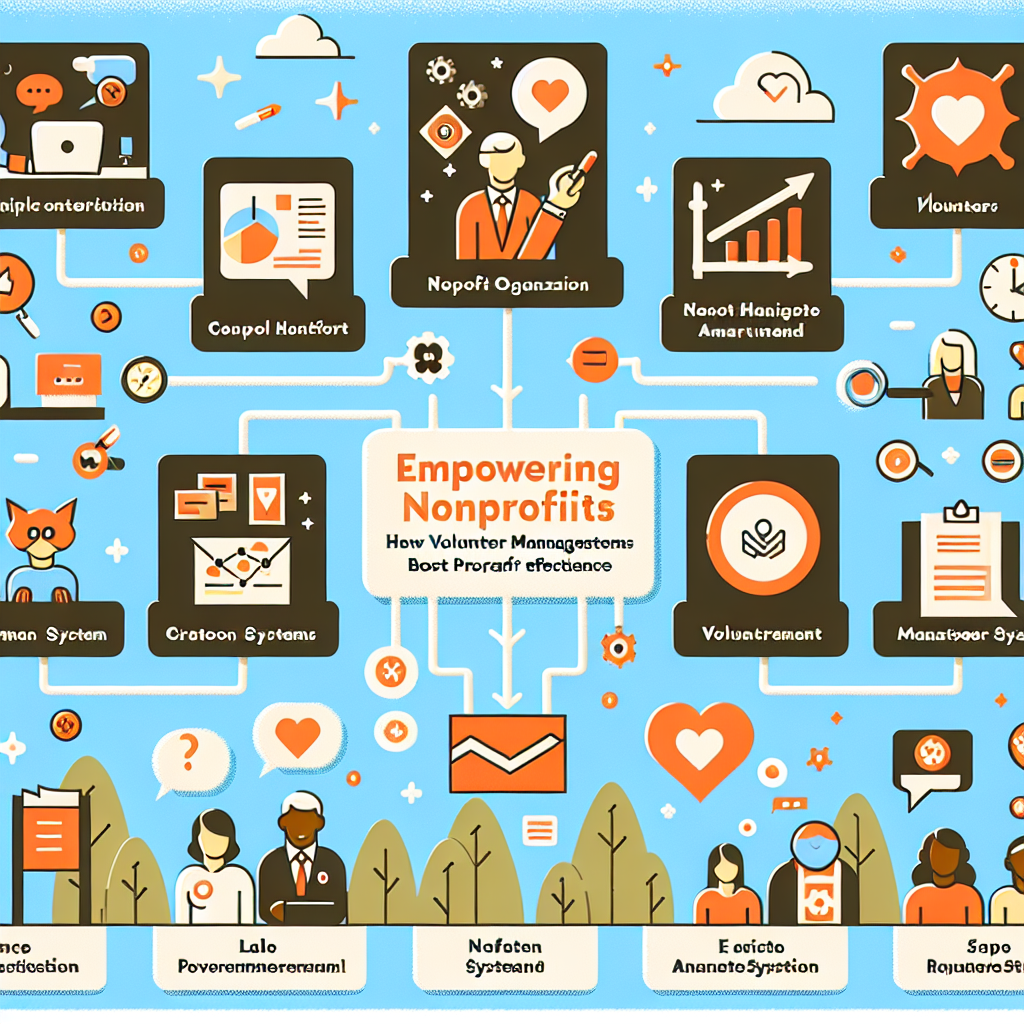
Managing volunteers can be one of the most rewarding—yet challenging—aspects of running a nonprofit organization. Between recruitment, scheduling, training, and retention, volunteer coordination often becomes a full-time job that pulls resources away from your mission. That's where a robust volunteer management system comes in, transforming how nonprofits operate and dramatically improving program effectiveness.
The Administrative Burden of Traditional Volunteer Management
If you've ever managed volunteers using spreadsheets, email chains, and paper sign-in sheets, you know the frustration. Hours spent on administrative tasks mean less time focusing on what really matters—your cause and the people you serve. Many nonprofit leaders report spending 10+ hours weekly just coordinating volunteers, time that could be better invested elsewhere.
The challenges are numerous:
Manual scheduling often leads to double bookings or understaffed events. Tracking volunteer hours becomes a paperwork nightmare. And communication gaps result in confused volunteers who may not return. These inefficiencies aren't just annoying—they actively undermine your program's effectiveness.
How Volunteer Management Software Streamlines Operations
Modern volunteer management platforms automate these tedious processes, freeing your team to focus on mission-critical work instead of administrative tasks. According to research from volunteer management specialists, organizations with dedicated volunteer management solutions fill a significantly higher percentage of roles—approximately 71-100% of positions—compared to those relying on manual methods.
Consider these game-changing capabilities:
Automated scheduling systems eliminate double-booking headaches while ensuring appropriate coverage for every event. Digital hour-tracking features create reliable records without the paperwork. And integrated communication tools keep everyone informed through their preferred channels.
One organization reported saving over 15 hours weekly after implementing a volunteer management platform like Vome Volunteer—time they redirected toward program development and community outreach.
Creating a Better Volunteer Experience
Beyond administrative efficiency, volunteer management apps dramatically improve the volunteer experience itself. Research shows that volunteers who feel respected, supported, and comfortable in their roles are significantly more likely to remain engaged and promote your organization positively.
User-friendly interfaces and mobile accessibility make it easier for volunteers to:
Browse and sign up for opportunities that match their skills and interests. Check schedules and receive reminders about upcoming commitments. Log hours and track their impact with the organization over time. Access training materials and resources from anywhere.
This convenience factor is huge! With around 86% of Americans owning smartphones, volunteers expect digital solutions that work with their lifestyle. Organizations using volunteer organization software report higher satisfaction scores and improved retention rates—some seeing volunteer turnover drop by over 25%.
The Data Advantage: Measuring Impact and Effectiveness
One of the most powerful benefits of volunteer management systems is their ability to generate meaningful data insights. Gone are the days of estimating volunteer impact or scrambling to gather metrics for grant applications.
Comprehensive volunteer coordination software provides:
Accurate tracking of volunteer hours, skills, and contributions. Demographic information to ensure diverse engagement. Retention metrics that highlight what's working (and what isn't). Impact calculations that translate volunteer time into monetary value.
This data isn't just useful for reports—it's transformative for strategic decision-making. When you understand exactly how volunteer resources are being utilized, you can optimize programs, demonstrate impact to funders, and identify opportunities for growth.
Real-World Success: Nonprofits Transforming Through Technology
The impact of implementing volunteer management solutions is evident in organizations across the sector. One community food bank struggled with last-minute volunteer cancellations that left food distribution events understaffed. After implementing a volunteer management system with automated reminders and waitlist features, their no-show rate dropped from 30% to just 8%.
A wildlife conservation group faced challenges tracking specialized volunteer certifications and skills. Their volunteer management platform now maintains these records automatically, ensuring that only properly trained volunteers are assigned to sensitive tasks—improving both safety and program quality.
These aren't isolated examples. Research indicates that nonprofits with dedicated volunteer management budgets ($5,000–$10,000) consistently operate closer to full capacity than those without such investments.
Making the Transition: Implementing a Volunteer Management System
The good news? Transitioning to a volunteer management system doesn't have to be overwhelming. Most modern platforms are designed with ease of use in mind, requiring minimal technical expertise to implement.
Start by identifying your organization's specific pain points. Are you struggling with scheduling? Communication? Data collection? The right system will address your most pressing challenges while providing room to grow.
Look for solutions offering:
Intuitive interfaces that work well for both staff and volunteers. Mobile accessibility for on-the-go management. Integration capabilities with your existing tools and systems. Customizable features that adapt to your unique needs.
Remember that the initial investment in volunteer management technology typically pays for itself quickly through time savings, improved retention, and enhanced program effectiveness.
Building Capacity for Greater Impact
Ultimately, effective volunteer management systems do more than just solve logistical problems—they build organizational capacity. By streamlining operations and improving the volunteer experience, these tools enable nonprofits to engage more supporters, deliver better programs, and create greater impact.
Organizations using blended learning methods supported by volunteer management platforms report operating at significantly higher capacity—with some achieving 62% of programs operating near capacity when offering digitally-supported volunteer training.
The most successful nonprofits recognize that volunteers aren't just free labor—they're mission-critical partners whose time and talents deserve professional management. By investing in volunteer management solutions, you're not just improving efficiency; you're demonstrating respect for your volunteers' contributions and commitment to your cause.
As nonprofit work continues to evolve in our digital world, the organizations that thrive will be those embracing technologies that enhance their human connections rather than replace them. A thoughtfully implemented volunteer management system does exactly that—empowering both staff and volunteers to achieve more together than they ever could separately.
Ready to transform your volunteer program? Consider how a volunteer management system might address your current challenges and propel your mission forward. Your cause—and your volunteers—deserve nothing less.